Most first-time Dubrovnik mistakes start before you even enter the Old Town. People arrive with the walls, Stradun, the harbor, Lovrijenac and maybe Lokrum on the same mental list, then spend half the visit reacting to queues instead of shaping the day. The smarter first question is simpler: are you using your best energy for the walls, or are you saving the walls for later and accepting a shorter, softer Old Town loop?
The official Dubrovnik in one day page still gets the core right: start from the Old Town itself and let the city unfold on foot. The practical edge comes from combining that with the official Dubrovnik Tourist Board walls and fortresses guide, the current City Walls visitor page, the official ticket shop, and the Dubrovnik Visitors Prediction tool linked by the Tourist Board.
This is the route that works best when you have a half day, one full day, or simply do not want to waste Dubrovnik's hardest ticket on the wrong hour.
The decision that actually shapes the visit
For a first visit, Dubrovnik usually splits into two workable patterns. The difference is not about beauty. It is about queue friction, heat, and how much concentration you want to spend on the walls.
Approach | Best when | Why it works | Main tradeoff |
|---|---|---|---|
Walls first | You care most about the ramparts and want the cleanest possible slot | You spend your freshest hour on the one part of Dubrovnik that becomes hardest once the city thickens up | The day starts with effort, not with a relaxed wander |
Old Town first, walls later or tomorrow | You arrived late, the heat is punishing, or the queues already look wrong | You keep the first visit enjoyable instead of turning it into a forced endurance loop | You may need to protect a second slot for the walls if they are still a priority |
Common mistake: treating the walls like a casual add-on after a long lunch. If you really want the walls, give them your cleanest time slot and recheck the official hours and current ticketing first.
Start with the walls when the walls are the point
The Dubrovnik Tourist Board describes the walls as one of Europe's best preserved fortification systems, about 1,940 metres long, with five fortresses and sixteen towers and bastions. That tells you what kind of experience this is: not one quick viewpoint, but a full elevated circuit that asks for time, sun tolerance and a bit of pacing.
If this is your first Dubrovnik visit and the walls are non-negotiable, go there before your day becomes reactive. Use the official visitor page to confirm current opening hours, and use the official shop if you want current ticket options without guessing from old blog posts.
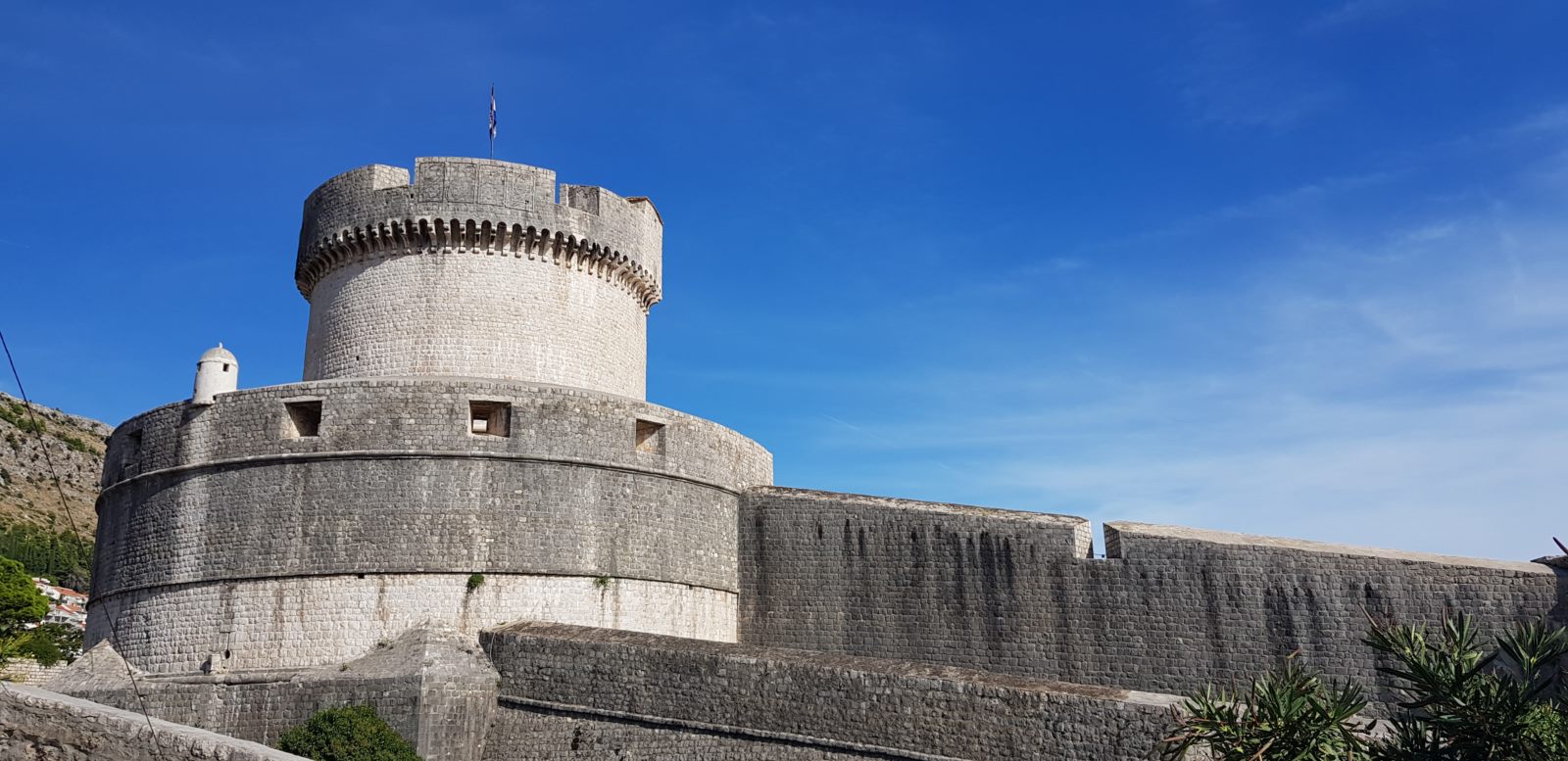
The payoff is not only the view. It is also clarity. Once you have walked the circuit, the rest of the Old Town makes more sense below you: the harbor edge, the line of Stradun, the density of stone lanes, and the reason Dubrovnik feels more defensive and theatrical than most Adriatic old towns.
Use the entrances strategically instead of following the nearest queue
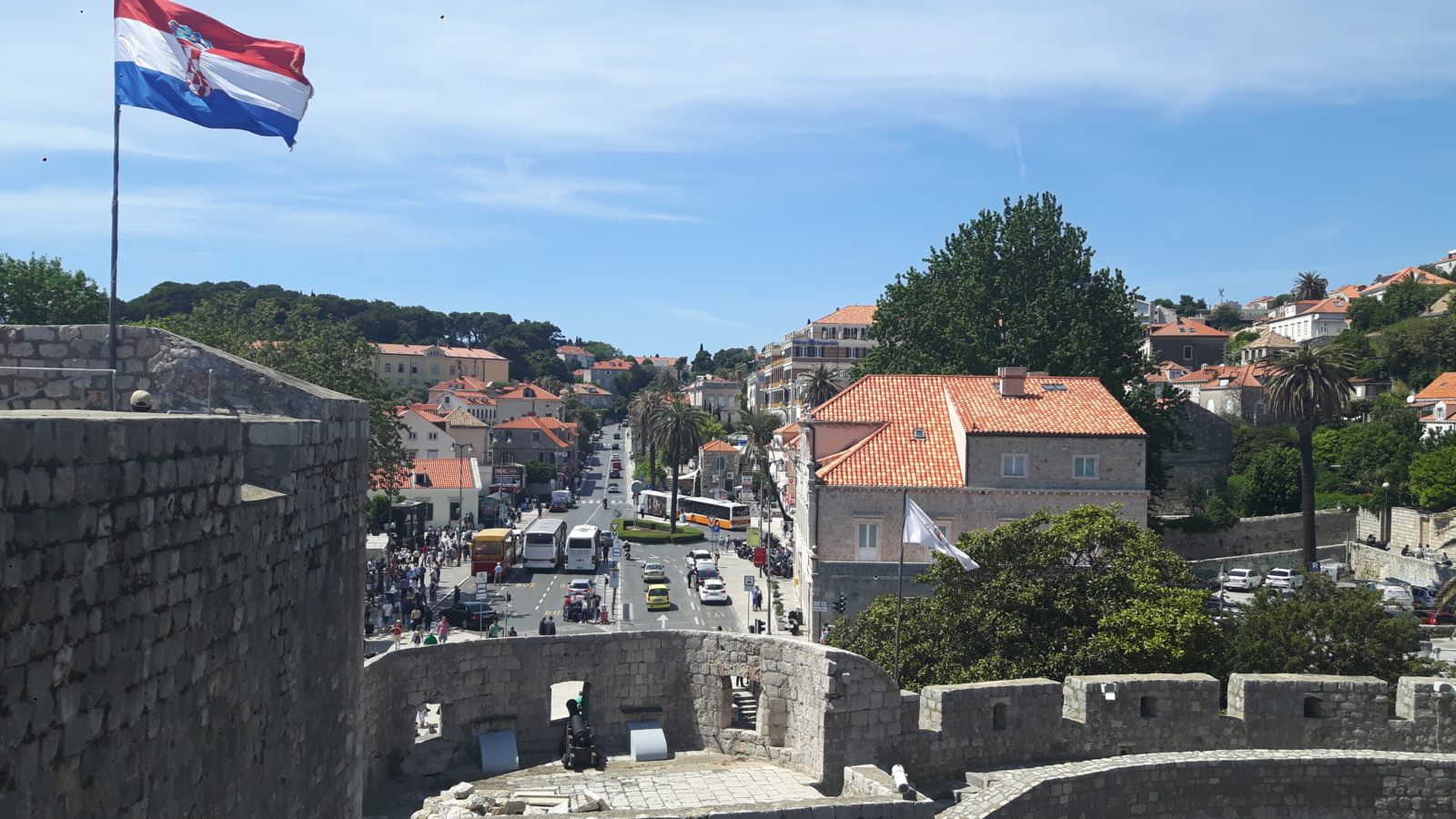
According to the Dubrovnik Tourist Board, there are three entrances to the walls: by St Luke's Church near the Dominican side in the east, by St Saviour's Church opposite the Big Onofrio Fountain, and by the Maritime Museum at St John's Fortress. This matters because many visitors default to the first obvious cluster and assume that is the only way up.
If you are entering from the Pile side, the Onofrio and St Saviour approach is the clean mental starting point. If you are already deeper in the Old Town, the eastern or harbor-side access can keep the route from feeling like backtracking. Before you commit, the official visitors prediction tool is worth a quick look, because a slightly different start can save more time than another ten minutes of indecision.
What to keep simple on a short first visit
If you only have four to six useful hours, do not force Dubrovnik into a conquest exercise. The weak version of the city is walls, every church doorway, Lovrijenac, cable car, Lokrum, a sit-down lunch, and sunset all on the same day. On paper it sounds efficient. On the ground it usually turns one of the Adriatic's sharpest urban experiences into queue management.
A cleaner first visit is one major paid highlight, one slower ground-level walk, one harbor or bastion edge, and one deliberate stop for coffee, shade, or sea air. If your Dubrovnik stay itself is not fully set yet, our guide to planning a first Dubrovnik stay beyond the Old Town is the better next step than overloading the historic core.
A practical first-visit route that rarely wastes the day
Start near Pile, enter the Old Town with enough margin, and decide early whether today is a walls-first day or a ground-level day. If you choose the walls, do them first, then come back down toward Stradun rather than trying to warm up for an hour inside a crowd you already know you want to escape.
After the walls, give Dubrovnik a lower gear. Walk Stradun without pretending it is a secret. Then peel off it. Short side streets, stairways and smaller lanes are where the Old Town stops performing for everybody at once. You do not need to see everything. You need the city to change texture once.
From there, continue toward the harbor side and Porporela. The official Tourist Board material and the St John's Fortress description both help explain why this side matters: it connects the defensive story to the sea, the old port, and the city's eastern edge instead of leaving Dubrovnik as a pure postcard facade.
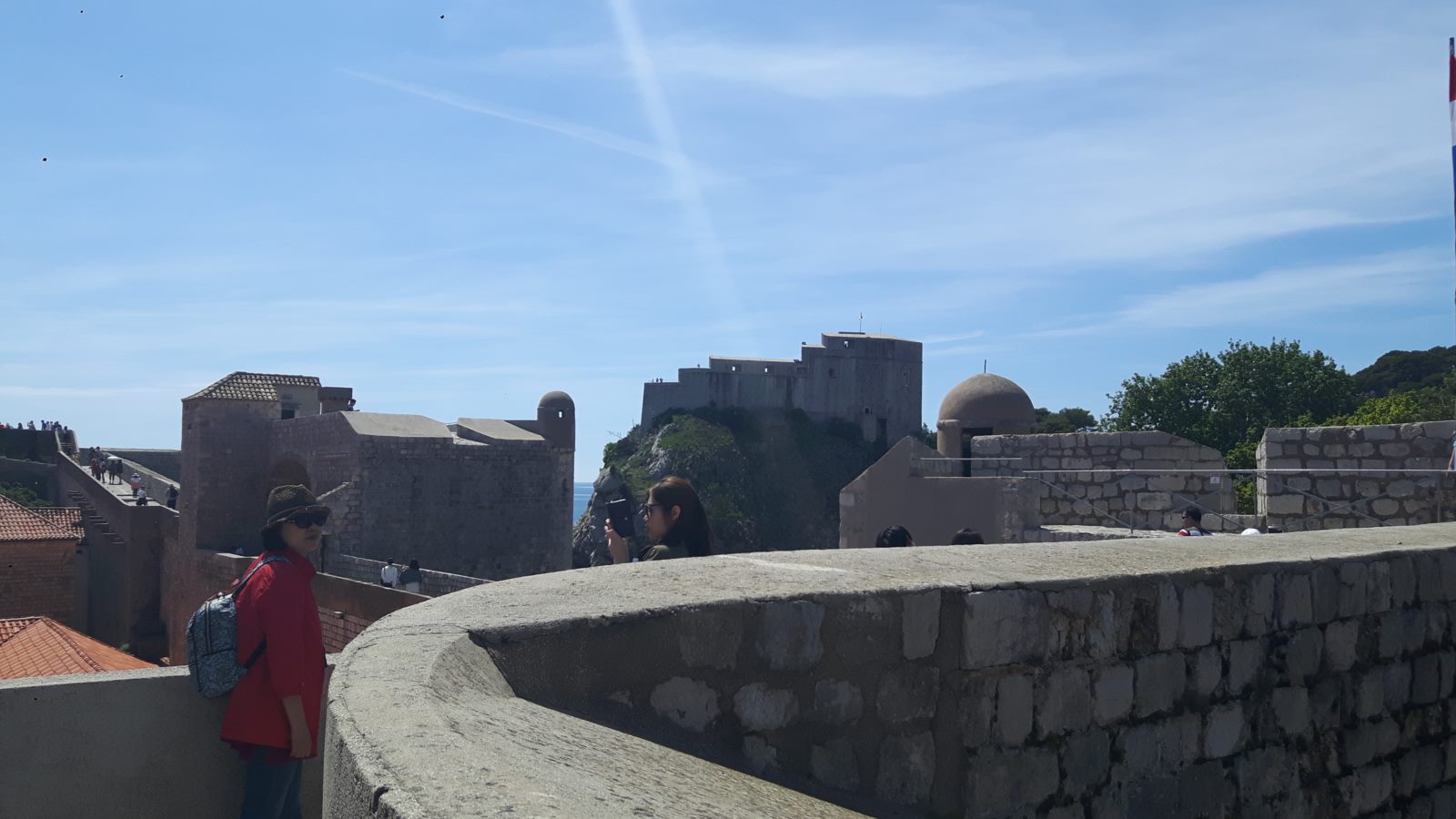
If you still have energy, use it for one add-on only. Lovrijenac is the cleaner historical extension. Lokrum is the cleaner decompression extension. They solve different needs, which is why trying to squeeze both after a full walls circuit is usually a planning mistake. If you want the island version of the decision, our Lokrum or Lopud guide is the practical follow-up.
When not to force the walls
There is no rule saying the perfect Dubrovnik first visit must start overhead. If the day is brutally hot, if you arrived late, or if the official prediction and visible queues suggest the walls will become more endurance test than pleasure, it is completely reasonable to keep the first visit at street level and save the walls for a cleaner slot tomorrow.
That softer version still works: Stradun, one church or courtyard pause, the harbor side, Porporela, and maybe Lovrijenac from below or from outside the old core. You are not failing Dubrovnik by refusing a badly timed wall walk. You are protecting the part of the city you actually came to enjoy.
For the wider Croatia planning picture, our first-time Croatia guide helps you keep the whole route realistic instead of spending all your trip energy in one famous old town.
Our take
The best first Dubrovnik Old Town visit is not the most ambitious one. It is the one that chooses a shape early. If the walls matter most, protect them with your best hour. If the day is already compromised, keep Dubrovnik on foot, let the harbor and stone lanes carry the mood, and do the walls when the city is giving you something back.
That is the whole game here. Dubrovnik is not hard because it lacks beauty. It is hard because the obvious version of the day is rarely the smartest one.
Frequently Asked Questions
How long should I allow for the Dubrovnik City Walls?
Plan closer to a real visit block than to a quick viewpoint stop. Many first-time visitors will use roughly 90 minutes to two hours once the walk, photo stops, heat, and entry friction are included.
Which entrance is best for the Dubrovnik walls?
It depends on where you start. The Pile side works well if you want a clean start near Onofrio and St Saviour, while the eastern and harbor-side entrances can make more sense if you are already inside the Old Town and want to avoid backtracking.
Can I do the walls and Lokrum on the same day?
Yes, but it only works well if you have enough time and accept that one of them must stay secondary. For a shorter stay, it is usually smarter to choose either a walls-led city day or a lighter city-plus-Lokrum day.
Is Dubrovnik Old Town worth visiting without walking the walls?
Absolutely. A street-level visit still gives you Stradun, the harbor edge, Porporela, smaller lanes, and the full stone atmosphere. The walls are a major highlight, but they are not the only valid way to experience the Old Town.